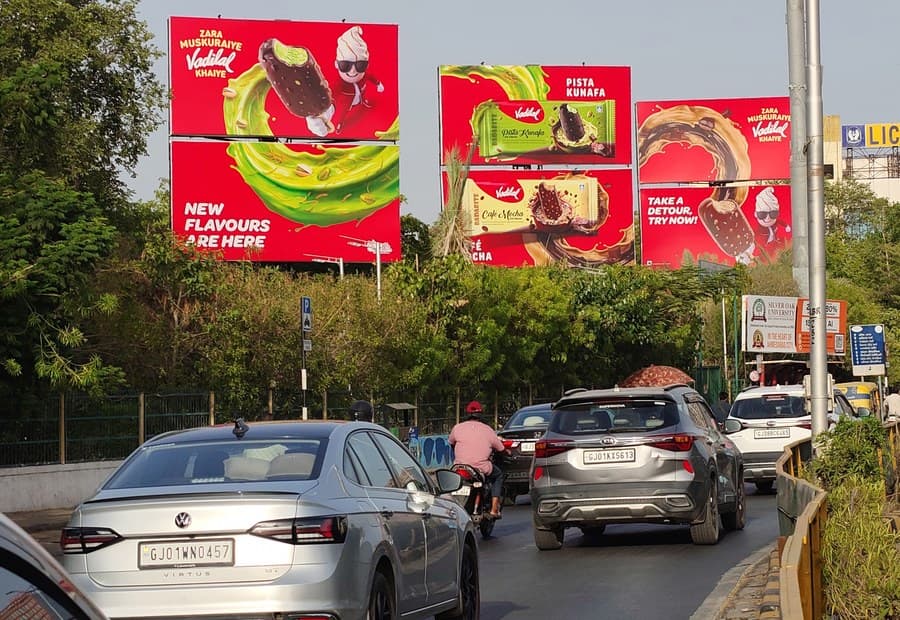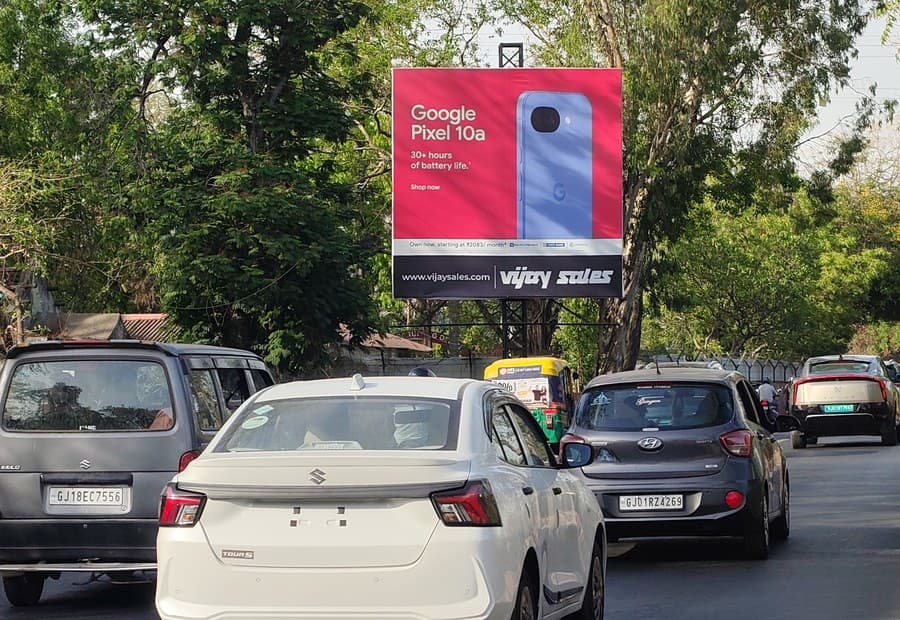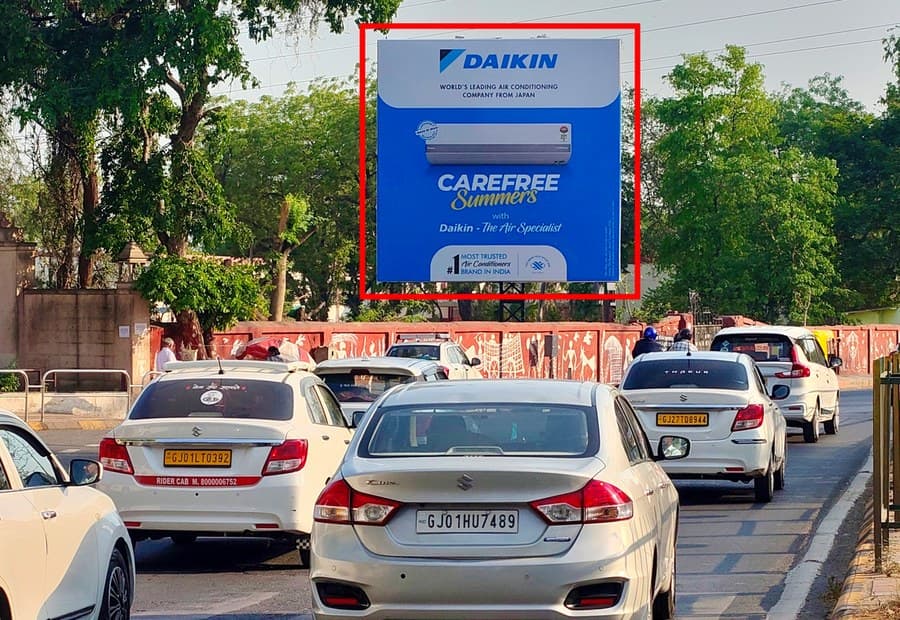
“You can't measure a billboard” is one of the most persistent myths in marketing, and it's simply out of date. Several layered measurement methods now let advertisers tie an outdoor booking to real, trackable outcomes.
Measurement starts with the objective, not the metric. Awareness, footfall and conversion campaigns each call for a different KPI set, impressions and reach for the first, store visits for the second, tracked sales or leads for the third, so the objective has to be set before the flight goes live, not after.
QR codes and dedicated short URLs remain the most direct read on engagement, since every scan or visit can be traced straight back to a specific site and creative.
Foot traffic attribution goes a step further using geofencing and mobile location data, comparing visit rates for audiences who were exposed to a site against a similar audience who wasn't, which isolates the effect of the billboard itself.
Digital lift is often the easiest signal to spot: branded search volume, direct website traffic and social engagement typically rise during a flight window even without a single click, and that lift is a reasonable proxy for awareness impact.
Sales lift, comparing sales in the campaign geography before, during and after the flight, is the most direct proof of ROI, though it depends on having clean baseline data to compare against.
The common thread across all of these methods is timing: agreeing the KPIs and reporting cadence before a site goes live means results get judged against the original goal, not reconstructed after the fact.